Discovering Al Nasr Palace: History and Community in Oud Metha


Intro
Nestled in the vibrant area of Oud Metha, Al Nasr Palace stands as a testament to Dubai's rich history and its ongoing evolution. Originating as a royal residence, this palace has transformed into a significant landmark that draws both residents and visitors alike. As you stroll through its expansive grounds, it becomes clear that the palace is more than just a stunning piece of architecture; it reflects the cultural heart and soul of the community.
This exploration aims to dissect the layers of Al Nasr Palace's historical significance, its unique architectural elements, and the essential role it plays in community life. The narrative will weave through its lush landscaping, surrounding amenities, and opportunities for engagement within the local populace, making it a must-read for homeowners, visitors, and planners alike.
We’ll start with the neighborhood features, detailing how architectural attributions and landscaping draw individuals to the area.
Neighborhood Features
Landscaping Highlights
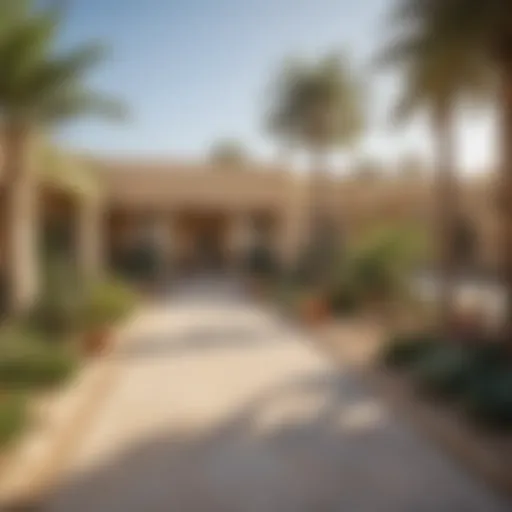
Al Nasr Palace’s enchanting gardens are a sight to behold. The majestic palms line the pathways, creating a tropical oasis in the middle of a bustling city. Each turn unveils meticulously manicured shrubbery and vibrant floral arrangements, proving that the beauty of nature and human ingenuity can coexist harmoniously. With benches scattered throughout, the landscaping invites paths not just for quiet reflection but also for active community gatherings.
A unique aspect of the landscaping is its integration with indigenous flora, lending a local character to the gardens. This not only showcases sustainability principles but also promotes biodiversity in an urban setting. To top it off, walking paths give families places to enjoy evening strolls while the warm Dubai sun sets, isn’t that just lovely?
Architectural Styles
The architecture of Al Nasr Palace uniquely marries traditional Emirati designs with contemporary styles. Its grand entrance, adorned with ornate arabesques, welcomes visitors into an expansive atrium filled with intricate tile work and high ceilings that echo tradition. Textured walls hearken back to the craftsmanship of older Arabian structures, while modern glass features allow natural light to flood the interiors, illustrating the palace's transition through time.
Combined with a regal color palette of soft beiges and striking whites, this architectural dialogue expresses both cultural heritage and current influences. The palace serves not only as a visual delight, but also as a symbol of cultural resilience, adapting to the rapidly changing urban landscape of Dubai.
Community Life
Local Events and Activities
Al Nasr Palace is not just a monument; it has evolved into a vibrant hub for community activities and events. Various local festivals take place here, from art exhibitions that showcase Emirati talent to cultural festivals that celebrate the traditions and spirit of the UAE. This makes it a gathering place for cultural exchange, bridging diverse communities and fostering a sense of belonging.
Regular workshops and seminars are also conducted on-site, aimed at empowering local talents and educating others on the historical significance of the region. The lively atmosphere brings together people from all walks of life, fostering creativity and collaboration that benefits the entire community.
Lifestyle Amenities
Surrounding the palace are numerous lifestyle amenities that enrich community living. Cafés, bookshops, and artisan markets dot the neighborhood, offering residents a chance to indulge in local cuisine and artisanal products. Drop by the nearby Oud Metha Park for a morning jog or wind down with yoga classes available at various fitness centers in the vicinity.
Also, educational institutions and health facilities are within convenient reach, making it an ideal place for families to settle down. With its blend of convenience and vibrancy, Al Nasr Palace and its surrounding area cater to a lifestyle that is both enriching and fulfilling.
"Al Nasr Palace isn’t just a landmark; it’s the heartbeat of Oud Metha, where history, community, and culture intertwine harmoniously."
In closing, this exploration provides a well-rounded view of Al Nasr Palace’s vital narrative within Oud Metha, encapsulating its place as a cultural icon in Dubai's dynamic urban landscape. Whether you're a long-time resident or a curious traveler, the wonders of Al Nasr await your discovery.
Prelims to Al Nasr Palace
Al Nasr Palace stands as a landmark in Oud Metha, showcasing a rich tapestry of history and culture. It signifies more than just a building; it represents a slice of Dubai's identity, encapsulating its past while embracing the future. Understanding the palace's origins, architectural beauty, and community role is vital for appreciating its contribution to the local landscape.
Historical Context
Established during a time when the UAE was on the brink of monumental changes, Al Nasr Palace has been a silent observer of history unfolding. Initially constructed to serve a royal function, the palace has transitioned over the decades into a significant venue for various cultural events and celebrations. Its walls are steeped in stories, serving as witness to not just the rise of a city but also the evolution of a nation.
Throughout the years, the palace has played host to numerous dignitaries and has been the backdrop for key political and social events. This historical significance is enriched by its ties to local customs and traditions, making it a treasured icon for the community. The stories passed down through generations resonate within its very structure, creating a sense of belonging and continuity.
Architectural Overview
From an architectural standpoint, Al Nasr Palace presents a compelling study in traditional and modern influences. Its design showcases the hallmark features of Arabic architecture, such as intricate carvings and expansive courtyards. The interplay of light and shadow on its ornate walls creates a visual narrative that draws visitors in, making it an enchanting experience.
Key architectural features include:
- Majestic Arches: Embodying the grandeur of the era, these arches invite one to step closer and admire the delicacies of the work.
- Soaring Columns: Firm and graceful, they provide structural stability while enhancing the aesthetic appeal.
- Courtyards: These open spaces not only improve airflow but also reflect the communal spirit of the palace. Through careful consideration of both form and function, Al Nasr Palace stands tall as a testament to the artistic vision and craftsmanship of its creators.
Ultimately, the palace is not just about its physical presence. It resonates with cultural stories and personal connections. Understanding its historical context and architectural layout allows homeowners, visitors, planners, and architects to appreciate Al Nasr Palace not only as a structure but as a vibrant heart of the community.
Location and Accessibility of Oud Metha
Understanding the location and accessibility of Oud Metha is essential for grasping how Al Nasr Palace fits within the broader landscape of Dubai. This area is not just a geographical spot; it’s a vibrant hub that hosts cultural, historical, and social interactivities that enrich the fabric of community life.
Geographical Setting


Oud Metha can be pinpointed conveniently in the heart of Dubai, sandwiched between the bustling areas of Creek and Bur Dubai. Its proximity to major neighborhoods, like Jumeirah and Al Quoz, makes it an attractive site for visitors and locals alike. The area is interspersed with lush green parks and open spaces, providing an inviting contrast to the fast-paced urban life around it.
The district is known for its unique blend of traditional and contemporary influences, reflected in its architecture and community vibe.
Accessibility is simplified by its proximity to key roadways such as Sheikh Zayed Road and Al Wasl Road. These main arteries connect Oud Metha to different regions in Dubai, making site seeing a breeze for drivers. Though the hustle and bustle can be a double-edged sword, travelers often find that getting around is a straightforward affair. In addition, the gentle curves of the roadways complement the area’s visual appeal—providing scenic views that enhance the journey.
Transportation Links
When it comes to transportation links, Oud Metha does not fall short. A short distance from the Al Nasr Palace are several metro stations, with the Oud Metha metro station being the most proximal. This connection not only eases commutes but also invites tourists to hop on and off with ease.
Key Transportation Highlights:
- Metro Stations: Lines provide direct access to multiple destinations, including shopping districts and leisure spots.
- Bus Services: A network of buses crisscrosses the area, serving as an affordable option for locals and visitors.
- Taxi Availability: Taxis can be hailed at almost any hour, further facilitating easy navigation around the city.
The combined effect of these transportation options makes Oud Metha not just easily accessible, but a strategic point for travelers exploring Dubai. As a result, the importance of this area's connectivity magnifies the cultural experiences available not just at Al Nasr Palace but throughout this burgeoning community.
"Accessibility is key for engagement; the easier it is to visit, the more likely people will experience the rich cultures of Oud Metha."
In summary, the geographical layout and transportation links in Oud Metha are pivotal in fostering connections between Al Nasr Palace and a wider audience. With the area's charm and its strategic location, visitors can relish not only the architectural marvel of the palace but also the vibrant life that pulses through its surroundings.
Cultural Significance of Al Nasr Palace
Al Nasr Palace holds a noteworthy place in the cultural fabric of Oud Metha and, by extension, Dubai. Its significance goes beyond mere bricks and mortar; it embodies the spirit and traditions of the community. This section explores various facets of this cultural landmark, highlighting its role in events, its heritage symbolism, and the artistic contributions that enrich its narrative.
Role in Community Events
The palace is more than just a site for casual visits; it serves as a vibrant hub for community activities. Events hosted here are often a blend of tradition and modernity, creating a unique atmosphere where locals and visitors come together. From cultural festivals to civic ceremonies, Al Nasr Palace acts as a stage for shared experiences that strengthen community bonds.
- Cultural festivals: These events often showcase traditional music, dance, and food, providing a taste of the UAE's rich heritage that everyone can partake in.
- Civic ceremonies: The palace hosts official gatherings which reinforce the social ties amongst the residents. It’s not merely about formality; it emphasizes the importance of unity in the local culture.
Such events reflect how important the palace is to community identity, acting as a catalyst for togetherness and cultural pride.
Symbol of Heritage
At its core, Al Nasr Palace is a monument that symbolizes the rich heritage of Dubai. Its architectural style, which incorporates traditional elements, reminds visitors of the cultural lineage which has shaped the region. Unlike many modern landmarks that push for futuristic designs, Al Nasr Palace stands as a testament to the values of preserving history.
- Architectural integrity: The design of the palace features intricate details that tell stories of the past, celebrating the craftsmanship of local artisans.
- Historical narratives: Guided tours often emphasize stories tied to local culture and traditions, making the palace a living archive of heritage.
This preservation of cultural identity is especially crucial in a rapidly changing urban landscape, as it sets the ground for future generations to learn from and appreciate their roots.
Artistic Contributions
Art flourishes in various forms at Al Nasr Palace, where both local and international artists are showcased. The palace is home to numerous art exhibitions, cultural shows, and performances that highlight the dynamic artistic community of Dubai.
The contributions made include:
- Public art installations: These works not only beautify the space but also make statements about culture, identity, and community values.
- Performing arts: Dance troupes and theatre groups frequently perform at the palace, inscribing a narrative where tradition intersects with contemporary themes.
The palace's commitment to supporting artistic endeavors helps to cultivate a thriving creative environment, drawing in talent from all walks of life which elevates community engagement through the arts.
"Al Nasr Palace is not just a place; it’s a vibrant chronicle of our cultural evolution and artistic expression."
Through these varied roles, Al Nasr Palace stands as a beacon of cultural significance in Dubai, anchoring the community in its past while embracing the possibilities of the future.
Architectural Features of Al Nasr Palace
The architectural features of Al Nasr Palace are not just a feast for the eyes; they serve as a bridge between the historical and the contemporary. Situated in the heart of Oud Metha, this palace exemplifies a unique blend of cultural influences, all manifested through its intricate design elements, beautiful landscaping, and functional interior spaces. The importance of these features lies in how they capture the essence of Dubai’s rapid urban development while staying rooted in tradition.
Design Elements
The design elements of Al Nasr Palace rekindle an appreciation for craftsmanship and authenticity. One can observe elements such as grand arched doorways, domed roofs, and intricately carved motifs that are reminiscent of traditional Islamic architecture yet embrace modernity. The use of materials such as local stone and imported marble adds a layer of texture, showcasing skillful workmanship.
- Arched Doorways: These are not just for aesthetic appeal; they channel energy and facilitate airflow, making the interior more breathable. The arches create a sense of grandeur, inviting visitors to explore further.
- Color Palette: The cream and earthy tones in the exterior harmonize with the surrounding environment, creating a serene setting. It doesn’t shout for attention but rather subtly draws the eye.
- Windows and Balconies: Large windows allow natural sunlight to stream in, illuminating the ornate interiors, while balconies provide panoramic views of the surrounding gardens.
These design features work hand-in-hand to create an architectural narrative that resonates with both locals and visitors alike.
Landscaping Aesthetics


The landscaping surrounding Al Nasr Palace enhances its visual allure and promotes a sense of peace. Careful planning and execution are evident in the gardens, which are layered with native plants and trees that not only beautify the space but also support local wildlife. This was not just an afterthought; it serves a practical purpose.
- Diverse Flora: A mix of local and exotic plants fills the grounds, providing year-round greenery, which allows the palace to be an inviting venue regardless of the season.
- Water Features: Fountains and small ponds enhance the calming atmosphere. The soothing sound of water complements the visual splendor and encourages community congregation.
- Walking Pathways: Well-planned pathways guide visitors through the grounds, promoting exploration and creating spaces for leisure. This design element cultivates an environment where people can connect with nature and with one another.
In essence, the landscaping isn’t an afterthought. It serves to create a peaceful oasis critical for residents and tourists looking to escape the hustle and bustle of Dubai's urban life.
Interior Spaces
Entering the interior of Al Nasr Palace is akin to stepping into a realm of elegance. The layout is not only about beauty; it reflects functionality, accommodating various community activities and events. The extensive use of natural light, paired with carefully curated furnishings, manifests an inviting atmosphere.
- Central Hall: The heart of the palace features a large, open space designed for gatherings. High ceilings embellished with chandeliers lend an air of opulence, yet maintain a sense of conviviality.
- Multi-purpose Rooms: These rooms can be adapted for different functions, including educational workshops, art displays, and cultural exhibitions. It signifies the palace's role as a community hub.
- Artistic Elements: The interiors are adorned with artwork that tells the story of Dubai's heritage and cultural evolution. It serves both a decorative and educational function, bridging the gap between past and present.
In summary, the interior spaces of Al Nasr Palace are not merely functional but are canvases for cultural expression, enabling the palace to truly serve its community.
Overall, the architectural features of Al Nasr Palace in Oud Metha are emblematic of a dynamic and evolving Dubai, reflecting both its rich history and its modern aspirations.
Community Engagement and Al Nasr Palace
The connection between Al Nasr Palace and the local community cannot be overstated. This historic landmark is not merely a building; it stands as a beacon for cultural expression and unity within Oud Metha. By actively fostering community engagement, Al Nasr Palace strengthens its relevance in everyday lives and enhances the emotional ties that residents have with their heritage. The community's involvement in its activities encourages a sense of ownership, ensuring that the palace remains an integral part of the local narrative.
Local Involvement
Local participation plays a pivotal role in sustaining the activities and events at Al Nasr Palace. The engaging environment permits both residents and visitors to experience Emirati traditions firsthand. Regular events, such as cultural festivals and art exhibits, often showcase the talents of local artists and craftsmen. This not only promotes their work but also encourages the younger generation to appreciate their cultural roots.
For example, during traditional festivities, families gather at the palace grounds, celebrating together and passing stories from one generation to another. This shared experience fosters bonds among community members and solidifies their connection to the palace.
Educational Programs
The educational initiatives at Al Nasr Palace emphasize the importance of learning about Emirati culture, history, and values. Programs designed for schools and community groups aim to instill pride in the local heritage while providing practical knowledge about art, architecture, and environmental conservation.
With students taking part in hands-on sessions, such as pottery-making or calligraphy classes, they gain insights into their rich culture while engaging in creative activities. These programs not only enhance knowledge but also cultivate a love for their history.
Cultural Workshops
Cultural workshops hosted at Al Nasr Palace serve as an important platform for teaching various traditional skills. From cooking classes that introduce culinary techniques passed down through generations to music and dance workshops highlighting traditional forms, these activities enrich participants' understanding of their cultural heritage.
"Through cultural workshops, we not only learn skills but also connect with our traditions on a deeper level. It’s more than just participating—it’s about feeling a part of our history."
Workshops often invite elders to share their experiences, bridging the gap between the younger generation and their forebears. This exchange promotes understanding and respect for traditions that might otherwise fade in a rapidly modernizing society.
In summation, the community engagement aspect of Al Nasr Palace is multifaceted and deeply significant. It reinforces bonds among locals, educates the youth, and fosters appreciation for the rich tapestry of Emirati culture. Not merely a palace in Oud Metha, it is a living space where history blends seamlessly with community vibrancy.
Surrounding Amenities and Attractions
The landscape surrounding Al Nasr Palace plays a vital role not only in enhancing the visitor's experience but also in shaping the cultural and social fabric of Oud Metha. When discussing amenities and attractions, it’s essential to consider how these elements contribute to the overall enjoyment and accessibility of the palace as a landmark in Dubai. A well-rounded understanding of what lies beyond the palace walls complements its historical and architectural significance.
Parks and Outdoor Spaces
A stroll around the area unveils several parks and outdoor spaces that are perfect for families and individuals alike. For instance, one can visit Al Nasr Sports Club which may not only promote physical activities but also provides green areas for relaxation. These scenic spots offer vital breathing room amidst the bustling city.
Some noteworthy parks in the vicinity are:
- Oud Metha Park: Great for picnics and leisurely walks, this park provides a backdrop of greenery that contrasts with urban life.
- Lulu Park: Features ample spots for exercise, jogging trails, and areas for children to play, making it a common choice for local families.
Engagement in these natural environments enables visitors to immerse themselves in the tranquility that diffuses through such spaces, thus enhancing the experience of visiting the palace.
Dining Options
Dining around Al Nasr Palace presents an eclectic mix of choices that cater to various palates and budgets. From local Emirati cuisine to international fare, the options are plenty. You can find establishments like Ravi Restaurant, known for its delicious Pakistani dishes, or Al Mallah, which serves mouth-watering shawarmas and snacks.
Some notable mentions include:
- Bateel Café: Where one can enjoy gourmet dates and artisanal coffees, perfect for a midday break.
- The Hummingbird Bakery: A delightful spot for indulging in sweet treats and baked goods after a day of exploration.
Each restaurant contributes uniquely to the cultural tapestry of Oud Metha, and visitors often leave with memories tied not just to the palace but to the sumptuous meals enjoyed in the area.
Shopping Facilities


The convenience of nearby shopping facilities makes Al Nasr Palace even more accessible and appealing for visitors. Local markets and shopping centers such as Lulu Hypermarket offer an array of products, from groceries to household goods, making it easy for tourists to gather essentials during their stay.
Particularly, Al Nasr Cinema presents a unique opportunity for entertainment, allowing visitors to unwind after exploring the palace. In terms of retail, close by, the Oud Metha Mall features numerous shops, providing everything from high street fashion to artisan goods. The diversity of these shopping options allows visitors to absorb the local culture while finding that perfect souvenir.
In summary, the surrounding amenities and attractions not only complement the grandeur of Al Nasr Palace but also enrich the visitor experience through leisure, dining, and shopping opportunities, making it a well-rounded destination for both tourists and locals.
Al Nasr Palace in the Context of Urban Development
Understanding Al Nasr Palace in the context of urban development offers a unique perspective on the interaction between historical landmarks and modern progress. With Dubai continuously evolving into a global hub of commerce and tourism, the role of heritage sites like Al Nasr Palace becomes ever more crucial. This palace stands not just as a remnant of the past but as a living testament to the cultural identity and legacy that Dubai strives to maintain amidst rapid urbanization.
Impact of Urbanization
Urbanization has a profound effect on landmarks, often leading to a collision of old and new. Al Nasr Palace, situated in Oud Metha, is an example where the modern city sprouted around a historical foundation. The encroaching urban sprawl has led to a mixed use of territory, making it critical for local planning strategies.
- Cultural Identity: As skyscrapers dominate the skyline, the palace anchors the community’s cultural narrative. Residents and visitors alike are reminded of Dubai's rich past, even as it races towards the future.
- Economic Opportunities: The palace's presence attracts tourists, fostering local businesses. Shops, cafes, and markets in the vicinity flourish, showcasing the interconnectedness between historical landmarks and economic growth.
- Urban Planning: Integrating Al Nasr Palace into the broader urban framework demands careful planning to preserve its essence while allowing the city to thrive.
Preservation Efforts
With the swell of urban development, the preservation of Al Nasr Palace has become a critical focus for local authorities and stakeholders. Efforts to conserve the palace involve a comprehensive understanding of both its architectural value and its community significance.
- Restoration Programs: Regular maintenance and restoration projects ensure the palace retains its structural integrity. These initiatives not only aim to repair but also to enhance the visual appeal of the palace.
- Community Advocacy: Local groups often engage in dialogues about the importance of preserving such monuments. This advocacy often results in public awareness campaigns, showcasing the palace as a vital component of Dubai’s heritage.
- Government Regulations: Legislative frameworks are in place to protect historical sites, ensuring that any development cannot infringe upon the palace's space or its surroundings.
Future Prospects
The future of Al Nasr Palace is hopeful yet requires a balanced approach towards development and preservation. As it continues to straddle history and modernity, several avenues may unfold.
- Tourism Development: There’s potential for enhancing visitor experiences through interactive exhibits that tell the story of Dubai's journey from a modest trading port to a bustling metropolis.
- Cultural Exchange: The palace could become a venue for cultural events, art exhibitions, and community gatherings, further cementing its role as a catalyst for social cohesion.
- Sustainable Practices: Incorporating sustainable practices in surrounding developments will allow for harmony between the old and the new. This can include green spaces or eco-friendly facilities, ensuring the area remains vibrant and welcoming.
In summary, the relationship between Al Nasr Palace and urban development illuminates the delicate balance between maintaining a city's historical core and embracing its growing nature. It is a microcosm of Dubai's broader narrative—one that values its past while boldly stepping into the future.
Visitor Experience at Al Nasr Palace
When it comes to experiencing Al Nasr Palace, visitors can expect more than just a mere tour of a building. This landmark is a gateway into the rich cultural tapestry of Dubai, inviting guests to immerse themselves in its legacy. The experience offers insight into the palace's historical significance and architectural prowess, making it a cornerstone of Oud Metha's charm. By engaging with the palace, visitors not only enjoy a visual feast but also participate in narratives that have shaped the community's identity.
What to Expect
A visit to Al Nasr Palace is a blend of education and enjoyment. Right from the moment you step inside, the atmosphere is thick with history. Expect the following:
- Diverse Exhibitions: The palace regularly hosts exhibitions showcasing everything from traditional art to contemporary interpretations, revealing how the past and present coexist in the UAE.
- Guidance from Local Experts: Knowledgeable guides provide deep insights, not merely facts but stories that humanize the stone and mortar.
- Cultural Events: Depending on the time of year, visitors might catch live performances or festivals that connect directly to local customs and practices.
One could say, "Visiting Al Nasr Palace is like diving into a deep reservoir of tradition and innovation."
Guided Tours
Participating in a guided tour elevates the experience. Skilled guides highlight features that visitors may overlook during a self-guided exploration. They offer insights into:
- Architectural Details: You'll gain understanding about the intricate designs that blend various styles, symbolizing the unity of cultures within Dubai.
- Historical Anecdotes: These narrativess voice the whispers of history that are embedded in the palace walls, offering a richer context to what’s on display.
- Interactive Segments: Many tours include interaction with artisans or cultural scholars, giving a hands-on feel to the learning process.
Guided tours last approximately two hours, which is just the right amount of time to be enthralled without feeling rushed. You will walk away with not just photographs but memories intertwined with knowledge.
Visitor Guidelines
To make the most out of your visit to Al Nasr Palace, a few guidelines can enhance the experience:
- Timing Your Visit: The best times to visit are in the early morning or late afternoon, avoiding the sweltering midday sun.
- Dress Modestly: As a cultural site, it's important to respect local customs, which includes dressing appropriately.
- Photography Rules: While capturing memories is tempting, some areas may have restrictions to protect the palace's art and exhibits.
- Respectful Behavior: Visitors should maintain a quiet demeanor, allowing others to engage in the experience fully.
By following these simple guidelines, you ensure that your journey through Al Nasr Palace remains pleasurable and educational.
Closure: The Importance of Al Nasr Palace
Al Nasr Palace is not just a building; it is a symbol of cultural heritage and community spirit that has endured the test of time. This landmark plays a crucial role in shaping the identity of Oud Metha and stands as a testament to the artistic and architectural achievements of its era. The palace encapsulates a blend of history, culture, and modernity that continues to resonate with residents and visitors alike.
Summary of Key Points
- Historical Significance: Al Nasr Palace serves as a reminder of Dubai's rich past, highlighting its development from a modest trading port to a thriving cosmopolitan city. The history embedded within its walls offers insights into the social and political changes that have occurred over decades.
- Architectural Marvel: The unique architectural design of Al Nasr Palace reflects the artistic vision of its architects, showcasing elements that harmonize traditional and contemporary styles. This makes it a point of interest for homeowners and visitors who appreciate culture and architecture.
- Cultural Hub: As a venue for community events, the palace fosters collaboration and social interaction. It stands at the forefront of cultural festivities and activities, making it an integral part of the community’s fabric.
- Impact on Urban Landscape: With the rapid urbanization of Oud Metha, the palace emerges as an anchor for preserving cultural identity amidst the encroaching modernity. Its presence encourages a balance between development and heritage preservation.
- Visitor Engagement: The palace enriches the visitor experience in Oud Metha, offering a glimpse into the local culture and history through guided tours and workshops. Engaging with the palace enhances the understanding of Dubai’s heritage, especially for those with an interest in urban development.
Al Nasr Palace exemplifies how historical sites can serve as catalysts for community engagement and urban development while preserving cultural identity.
The Palace's Role in Future Developments
Looking ahead, Al Nasr Palace is poised to play an essential role in future developments within Oud Metha. As construction projects compete for space in a rapidly changing urban environment, the palace can serve as a cornerstone for initiatives that prioritize cultural preservation alongside modernization.
Urban planners and architects are increasingly recognizing the importance of integrating historical landmarks into their designs. The palace could inspire innovative development strategies that respect the past while accommodating the demands of modern urban living. Furthermore, as interest in cultural tourism continues to grow, Al Nasr Palace may attract further investments aimed at enhancing its accessibility and visitor appeal.